The Significance of Pishach Mochan Kund
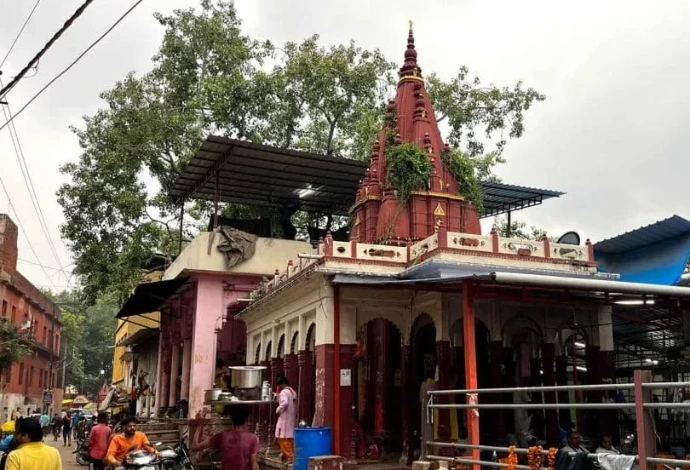
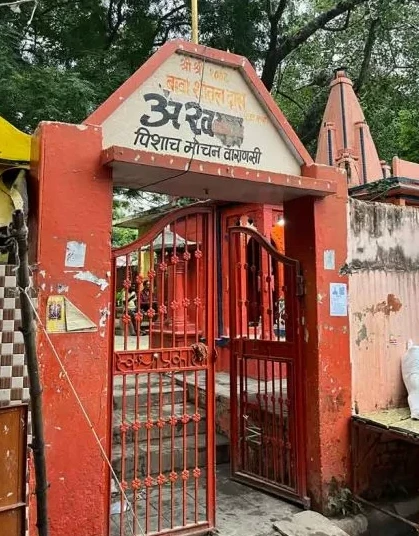
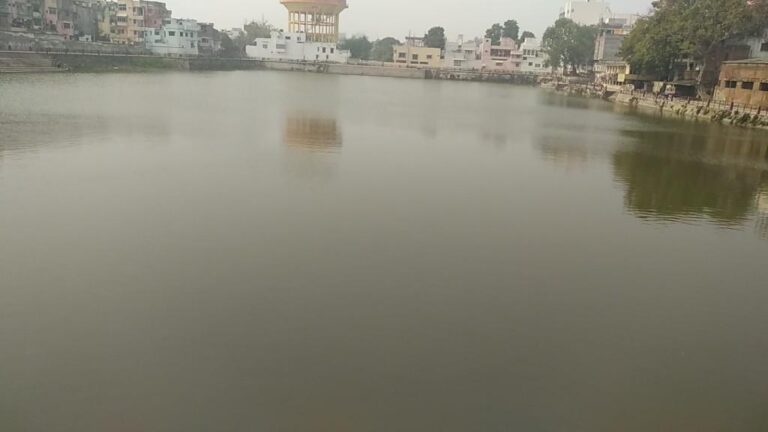
The Pishach Mochan Kund is described in great detail in the Kashi Khand (a section of the Skanda Purana).
The Legend
Vimal Kashyap – A Brahmin’s son was performing penance to secure the salvation of his ancestors. A Pishach appeared and recounted his suffering. Through the grace of Lord Shiva by bathing in this Kund and performing Shraddha rituals the Pishach attained liberation. This event gave the site its name.
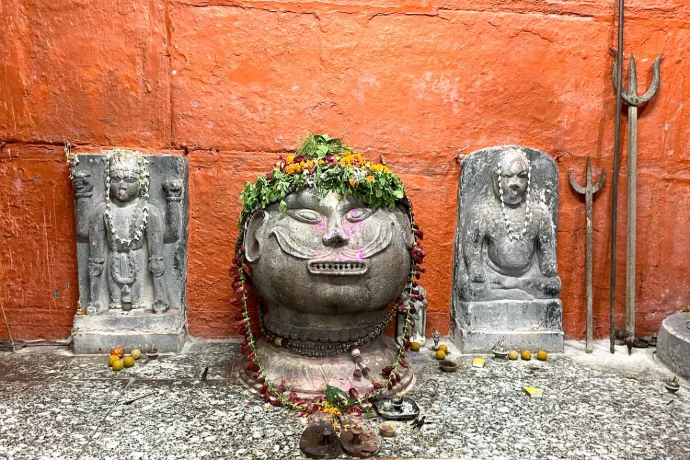
Kapardishwar Mahadev – Lord Shiva resides on the banks of this Kund in this form. His presence establishes this site as the central hub for deliverance from ghostly afflictions and spiritual disturbances.
Why Perform Ancestral Rites?
Certain souls remain bound to their families even after death due to excessive attachment. This subtle influence may affect an individual’s mind, thoughts, and decisions causing stress, disputes, and discord in the family. Pitru Karma rituals are performed to pray for the peace and liberation of such souls, thereby restoring balance, positive energy, and tranquility in the home.
Pitra Dosha can give rise to various obstacles in life. When ancestors are not honored through prescribed rituals Shraddh, Tarpan, or remembrance their unfulfilled desires can create imbalance and distress within the family.
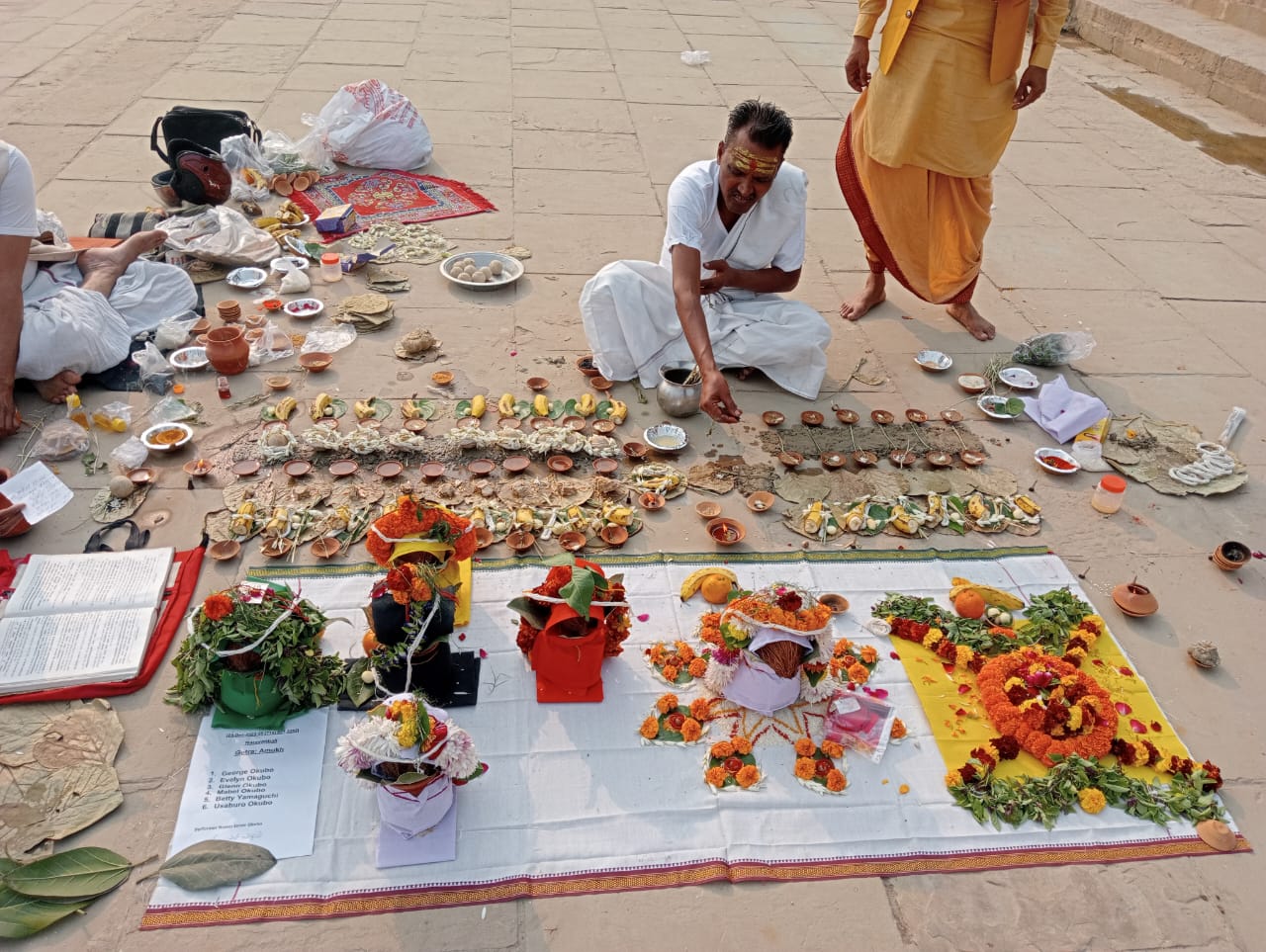
Narayan Bali — Pacification of Restless Souls
Narayan Bali is essential when a family has experienced an untimely death (due to accident, suicide, or death at a young age). It brings peace to restless souls of the departed.
Who Should Perform This Ritual?
A departed soul conveys signals through dreams or causes distress to family members
When the name, Gotra, and cause of death of the deceased are known
When a family member passed away due to accident, suicide, or untimely circumstances
Benefits of Narayan Bali
Peace and salvation of ancestral souls
Alleviation of Pitra Dosha
Appeasement of ghostly or negative entities
Happiness, peace, and prosperity within the family
Relief from mental stress and inner turmoil
Removal of obstacles related to marriage, progeny, and career
Positive energy and spiritual balance in the home
Our Procedure
The entire ritual is conducted exclusively for you (the Yajman) with complete Vedic rites by five learned Brahmins. No other individual’s Sankalp is included — ensuring undivided focus and full spiritual efficacy.
Price: ₹15,000 all-inclusive. Shown on checkout.
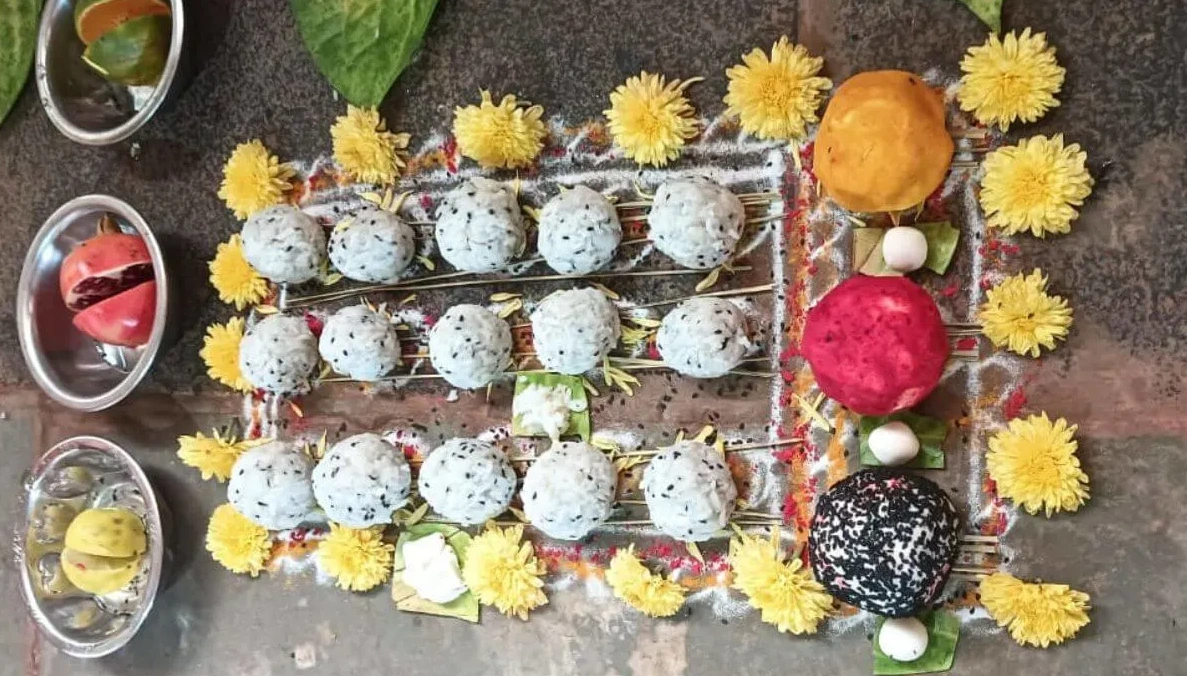
Tripindi Shraddh — For Unknown or Unidentified Ancestors
If the name or Gotra of an ancestor is unknown, the Tripindi Shraddh is performed. Three Pindas (ritual rice balls) are offered in honor of Lord Brahma, Vishnu, and Mahesh, with Tarpan and prayers for the liberation of all unknown ancestors.
Why Perform Tripindi Shraddh at Pishach Mochan?
For liberating souls from the Pret Yoni, this site is considered superior even to Gaya
Grants liberation from all three types of afflictions: Tamasic, Rajasic, and Sattvic
According to the Garuda Purana, performing Shraddh, Tarpan, and Deepdan here yields merits even greater than Gaya Shraddh for Pitra Rin and Pret Badha
Signs That This Ritual May Be Needed
Children straying onto the wrong path
Obstacles in income or financial scarcity
Recurrent illnesses and excessive medical expenditure
Delays in marriage or recurring hurdles
Unnecessary disputes and mental tension between spouses
Domestic discord and a negative atmosphere within the home
Troubles arising from unknown causes
Failure to achieve success despite sincere effort
Price: ₹11,000 at Pishach Mochan. Shown on checkout
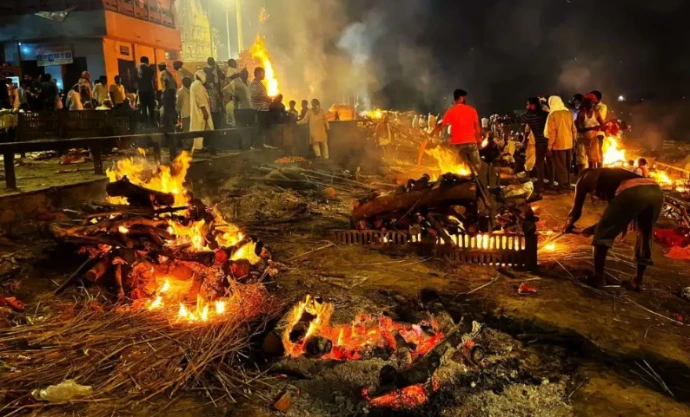
Why Should Your Ancestral Rites Be Performed Privately?
In many places, these Pujas are conducted in groups — the rituals for 5, 10, or 20 individuals performed simultaneously. Here, things are different.
Exclusively Yours – Your Narayan Bali and Tripindi Shraddh are performed solely for you on a personal basis
Full Spiritual Merit – All mantras, vows (Sankalpas), and rituals are dedicated solely to your name, Gotra, and ancestors
Narayan Bali – Performed by 5 learned Brahmins with full Vedic rites
Tripindi Shraddh – Performed by 3 qualified Brahmins per scriptural method
In a group Puja, the Sankalpa for multiple patrons is undertaken simultaneously — the attention given to each is limited. In a private Puja, the Sankalpa is performed only in your name and Gotra, all mantras are dedicated specifically to your ancestors, and undivided attention is devoted throughout.